Page 30: of Maritime Reporter Magazine (February 2026)
Read this page in Pdf, Flash or Html5 edition of February 2026 Maritime Reporter Magazine
 29
29

 31
31
FERRIES tion compared to traditional marine boilers.
Propulsion System & Engine Room Design
While it is more conventional for this type of combined
The Gotland Horizon X engine room is a derivative of Sie- mens Energy’s Ocean Green Hybrid Combined Cycle concept, cycle con? guration to drive generators and supply power for electric propulsion motors (known in marine applications as which is a low-emissions propulsion solution introduced in 2022.
Each hull of the catamaran will contain a combined-cycle combined gas-electric and steam, or COGES), for Gotland power plant based on a Siemens Energy SGT-400 gas turbine, Horizon X to maximize ef? ciency and reduce weight, both the gas turbines and steam turbines will drive waterjets through a with a guaranteed power output of 13 MW at an ambient tem- perature of 10-20°C (as shown in Figure 2). The SGT-400 is a gearbox arrangement.
The gas turbine package includes a gearbox that reduces proven light industrial gas turbine launched in 1997. Today, there the power turbine speed from a nominal 9,500 rpm to 1,800 are 400+ units in operation worldwide, with more than 7 million rpm. A second “main” gearbox then reduces the speed from operating hours, including many in offshore environments.
the nominal 1,800 rpm to the speed required by the water jets.
The gas turbine is installed on an underbase that houses the
A similar arrangement is used on the steam turbine packages. lubricating oil tank, and all required auxiliary systems, cre- ating a compact unit with simple installation. Only the ? re The gas turbines drive steerable water jets while the steam extinguisher bottles and the lubricating oil cooler are located turbines drive booster water jets. This concept provides a total of 36.4 MW of shaft power into the main drive gearboxes with off-package.
Building on the experience and designs utilized in the oil an overall fuel ef? ciency close to 50%.
To supply the ship’s electrical loads, the main gearboxes are and gas industry, Siemens Energy has worked closely with ? tted with 1 MW PTI/PTOs, supplemented by a Battery En-
DNV over the past two years to ensure compliance with ma- ergy Storage System (BESS) and reciprocating auxiliary gen- rine requirements. Today, the core gas turbine itself, complete erator sets. A shore connection enables a lay-up period with package, and the control system are all type-approved for ma- the system cold and without the generators running.
rine applications by DNV.
Because the gas turbine is installed within its own ventilated
Waste heat in the gas turbine exhaust is recovered using a acoustic enclosure for noise and ? re protection, heat rejection once-through steam generator into the engine room compartment is reduced. Combustion air (OTSG), which provides steam at up to 55 bar and a de- and enclosure ventilation air are ducted from outside into the gas sign inlet temperature of 510°C to drive a 5.3 MW condens- ing steam turbine. An OTSG was selected because of its low turbine package, with appropriate ? ltration and silencing to en- sure reliable operation of the gas turbines and passenger comfort.
weight, compact size, and reduced make-up water consump-
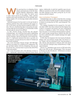
Figure 3. Principal schematic of ship’s energy system.
Courtesy Siemens Energy 30 Maritime Reporter & Engineering News • February 2026
MR #2 (18-33).indd 30 MR #2 (18-33).indd 30 2/5/2026 4:52:14 PM2/5/2026 4:52:14 PM